Supersonic Jet Noise Control
|
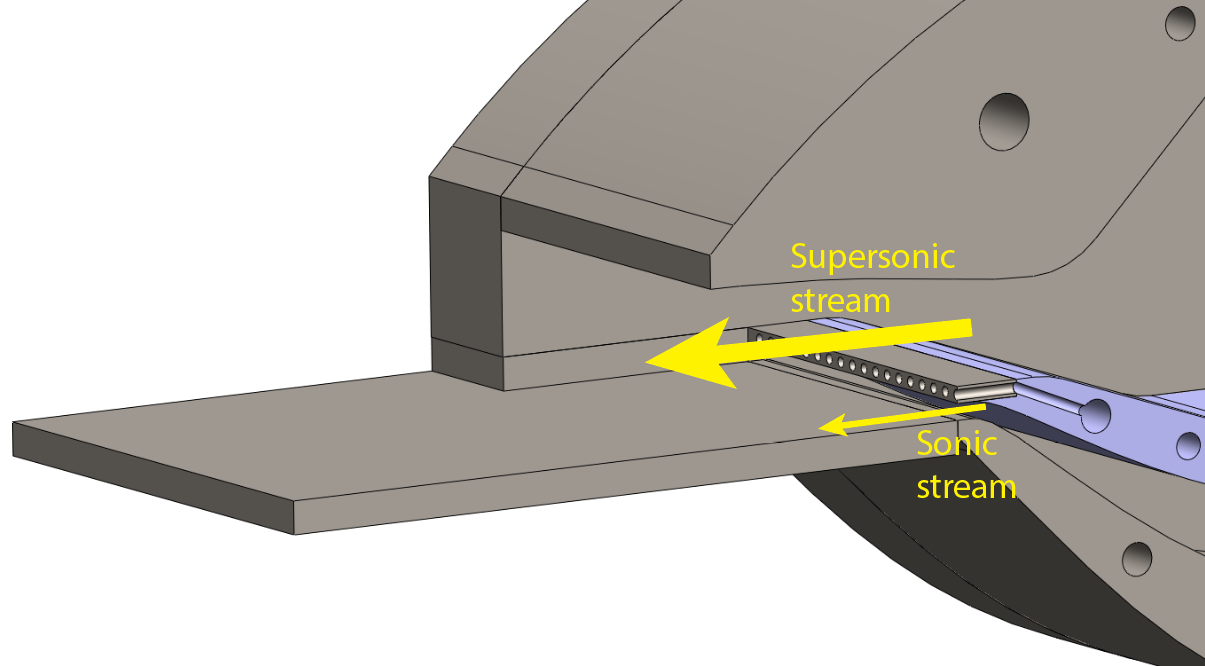
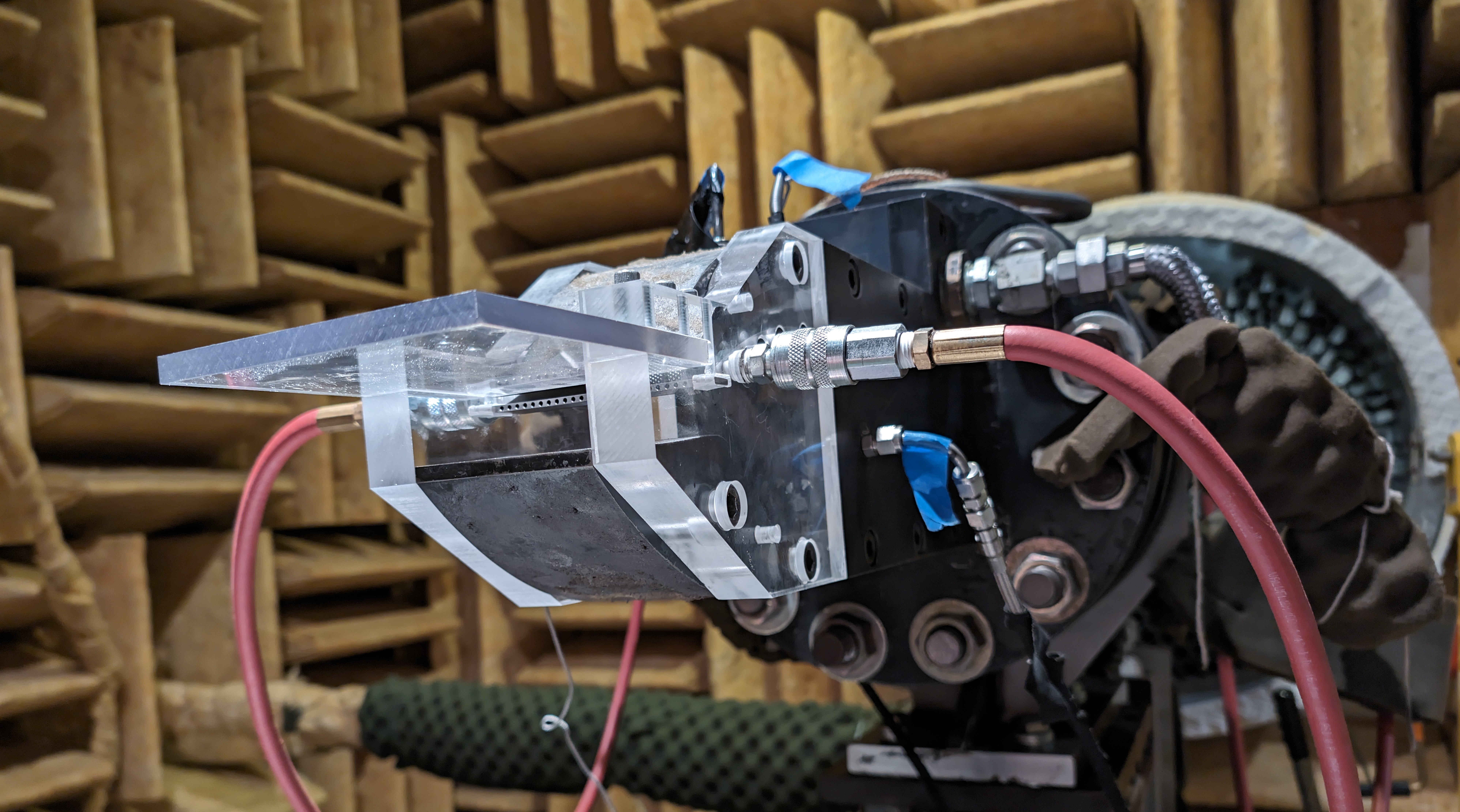
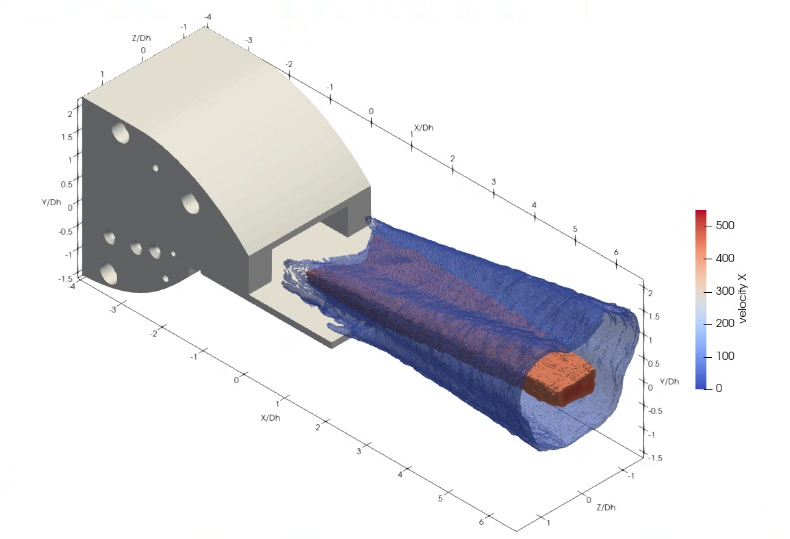
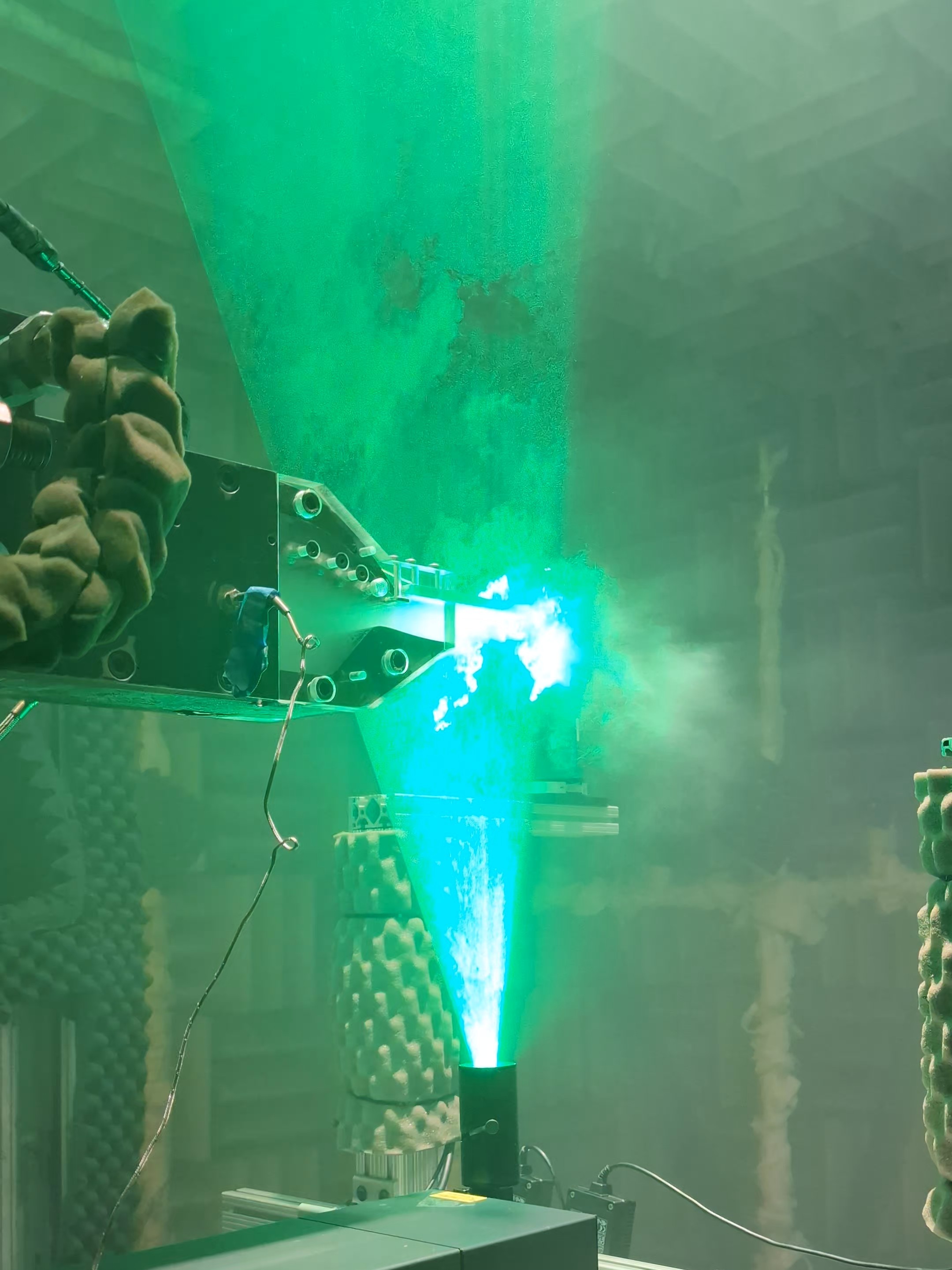
Unsteady features of high Reynolds number 3D turbulent flows influence aerospace vehicle design. Unsteady shear/boundary layer interactions dominate these flows which create turbulent phenomena sparking interest in further understanding of these effects. Specifically, a rectangular jet exhausting over a proximal surface while interacting with another rectangular stream is considered. These two canonical flows create an inner shear layer that exhibits absolute and convective instabilties. Understanding aspects of this complex flow region has been a driving factor of Skytop Labs over the past decade. Utilizing the Syracuse University anechoic chamber facility in conjunction with high-fidelity computations by the Ohio State University, this complex system is currently being simulated and experimented on. Specifically, the students at Syracuse University are exploring the following aspects: |
 |

Loading...